Politics
Latvians vote in parliamentary election amid Russia security fears
About 1.5 million eligible voters in Latvia cast ballots on 3 October 2026 in the country's 11th parliamentary election since independence in 1991, with 14 parties contesting 100 Saeima seats.
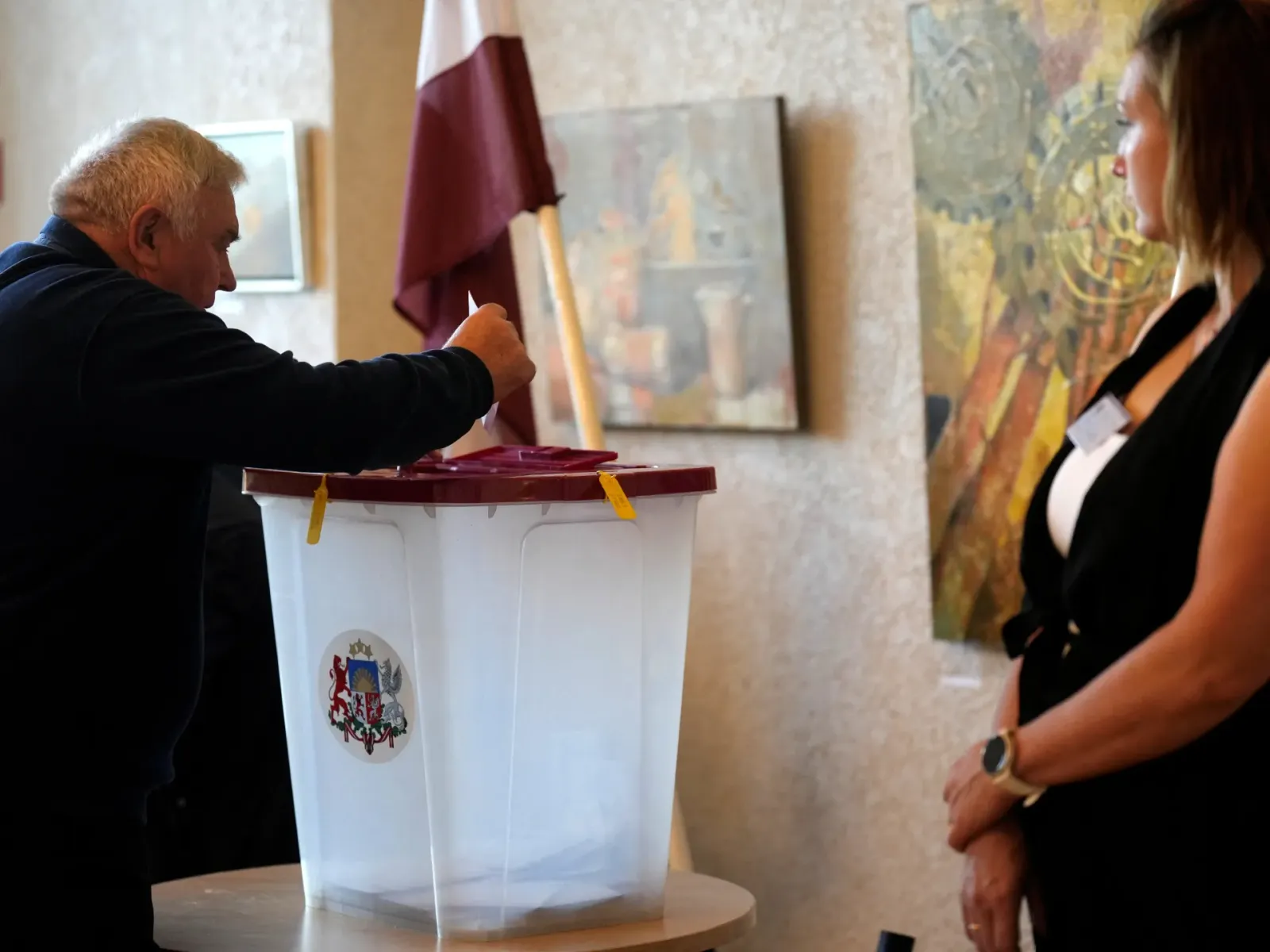 Photo: Al Jazeera
Key points
Latvians voted on 3 October 2026 in a parliamentary election shaped by security fears about Russia and cost-of-living pressures, with United List polling at about 20 percent.
Latvians began voting on 3 October 2026 in a parliamentary election shaped by security concerns about neighbouring Russia and a nationwide cost-of-living squeeze. About 1.5 million people are eligible to cast ballots in the country's 11th parliamentary election since independence from the Soviet Union in 1991. Polls opened at 05:00 GMT and are set to close at 17:00 GMT, with 14 electoral lists contesting 100 seats in the Saeima under a proportional system.
Why this vote matters now
Roberts Kits, an analyst at the Latvian think tank LaSER, said defence and security will be the priority, and noted broad consensus on maintaining military spending at nearly five percent of GDP and on supporting Ukraine. A Western diplomat in Riga said the stance towards Russia is the main reason for Latvians' Western, NATO and European anchoring, adding it would be hard to imagine major political changes. Results are not expected to shift Latvia's pro-European, pro-Ukrainian course.
Latvia is the least affluent of the three Baltic states in terms of living standards, despite catching up since joining the European Union in 2004. Growth is sluggish, with voters pointing to the cost of living, the state of the healthcare system and the difficulties of public finances. Regional disparities are stark: around Riga, GDP per capita reached 101 percent of the European average in 2024, according to a European Commission report, while in other regions the figure does not exceed 50 percent.
Prime Minister Kulbergs's right-wing United List party is currently polling at about 20 percent and is expected to remain the largest party in parliament. However, the decline of two allies in his current coalition — which also includes the centrist New Unity, the nationalist National Alliance and the Union of Greens and Farmers — means complex negotiations lie ahead. Polls suggest the governing bloc is unlikely to retain power in its current form after the vote.
Where the polling numbers stand
Latvian politics are highly fragmented, with parties rarely seeing above 20 percent vote share and coalitions being the norm. This year, 14 electoral lists are contesting the election, but polls indicate only seven are likely to enter parliament, with the rest expected to fail to meet the minimum 5 percent vote threshold. The populist Sovereign Power party, led by Julija Stepanenko, is polling at about 9 percent and could reach second place, though most other parties have ruled out forming a coalition with it.
Russian-speaking voters no longer vote as a unified bloc behind the Harmony party, which disappeared from parliament in 2022 and has very little chance of returning. In Daugavpils, Latvia's second-largest city where 90 percent of the population is Russian-speaking, residents cited economic concerns. Aigars Soikants, a 30-year-old Daugavpils resident, said the most important thing is the lack of young people and the lack of good jobs, adding that people are leaving. Valentin Trofimov, a 62-year-old watch repairman, said wages are too low.
Coalition talks ahead
Partial results are expected on the evening of 3 October 2026, with preliminary official results due on 4 October 2026. Latvia's easternmost region of Latgale faces accelerating depopulation and scarce economic opportunity, with the sharpest contrast to the capital region around Riga.
Campaign debates have also featured rising living costs, low wages, strains on the healthcare system and long-term population decline. Latvia holds the election as a key pillar of NATO's eastern defensive flank, with experts saying there is widespread support for Ukraine in the war with Russia. Kulbergs's United List is polling at about 20 percent, but coalition negotiations are expected to be complicated by the weakening of his current governing partners after the vote.
Frequently asked questions
When did Latvia's parliamentary election take place?
Polls opened on 3 October 2026 at 05:00 GMT and close at 17:00 GMT. About 1.5 million people are eligible to vote in Latvia's 11th parliamentary election since independence from the Soviet Union in 1991.
Who is favoured to lead Latvia after the election?
Prime Minister Andris Kulbergs's United List party is polling at about 20 percent and is expected to emerge as the largest party, but his coalition is expected to emerge weakened, meaning complicated negotiations over the next government.
How many parties are running and what is the threshold?
Fourteen electoral lists are contesting 100 seats in the Saeima, but polls indicate only seven are likely to enter parliament, with the rest expected to fail to meet the minimum 5 percent vote threshold.
How this story was checked
- Fact-checked against 3 cited pages. 66 figures, dates and quotations in this story were found on the pages it cites; 2 passages that could not be checked were cut before publication.
- Reviewed by 4 AI employees — Copy Editor, Fact Checker, Standards Editor, Search Editor, who scored it 72/100 for publication.
Pages checked (3 of 3)
- aljazeera.comread and checked
- euronews.comread and checked
- arabnews.comread and checked
Written by Kaer from public reporting. Checked 3 October 2026.