Business
G7 agrees to release 100 million barrels of fuel reserves
The Group of Seven agreed on 2 October to release 100 million barrels of oil and diesel, starting immediately with a front-loaded diesel release over 20 days.
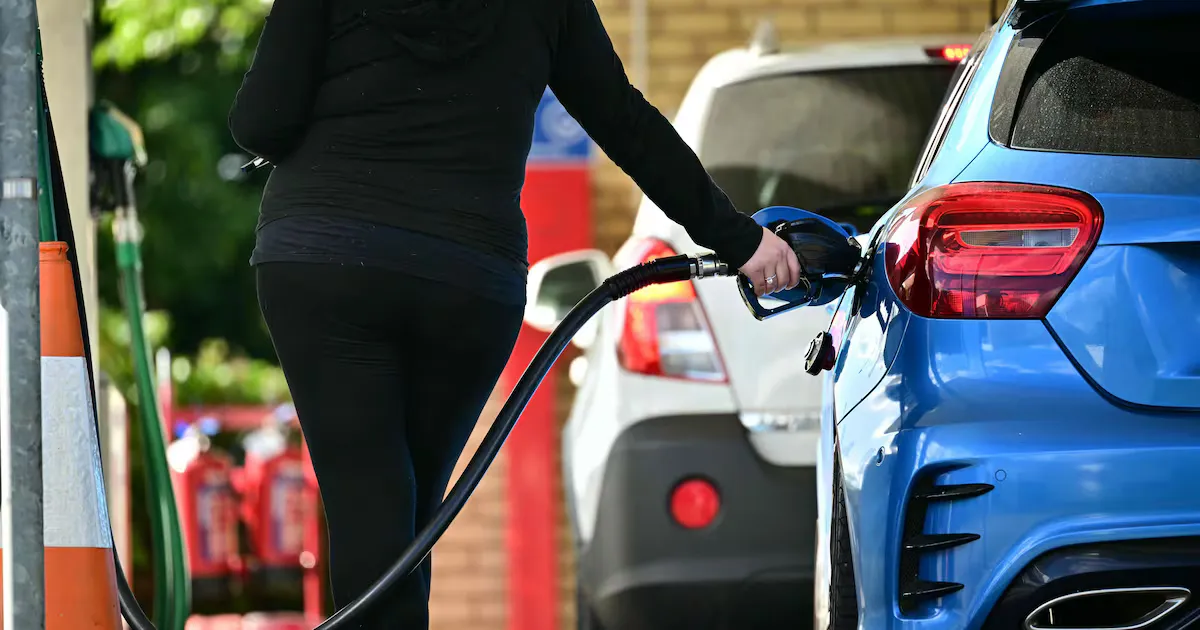 Photo: The National
Key points
The G7 agreed to release 100 million barrels of oil and diesel reserves over four months, starting immediately with diesel.
The Group of Seven wealthy democracies agreed on 2 October to release 100 million barrels of oil and fuel products in the coming weeks, starting with substantial amounts of diesel after fuel prices hit record highs in the United States. The announcement came in a joint statement released by the office of French President Emmanuel Macron after videoconference talks he chaired.
The agreement matters because it puts a specific volume and timetable behind earlier promises to calm fuel markets, and because it pairs the release with a pledge not to restrict energy exports among G7 members. The G7 comprises Canada, France, Germany, Italy, Japan, the United Kingdom and the United States, plus European Union representation, and France holds the rotating presidency.
What the agreement commits
The joint leaders' statement said members would begin the release immediately and continue over four months, including a front-loaded substantial diesel release within the first 20 days by members and partners. President Donald Trump said the diesel release would happen immediately, echoing the G7 promise to start with that front-loaded release within 20 days and the rest over four months.
Oil prices softened after the announcement. Brent crude traded 1.48 per cent lower at $100.8 a barrel, while West Texas Intermediate, which tracks US crude, traded 2.66 per cent lower at $90.40 a barrel. Macron said oil shipment figures had improved in recent days, with three-quarters of prewar volumes moving between Hormuz and the Yanbu pipeline.
Why diesel prices surged
Several factors pushed prices up. The conflict in the Middle East and Russia's war against Ukraine triggered a surge in global diesel prices. Russia banned exports due to Ukrainian drone strikes on its refineries, and refined product shipments from Persian Gulf producers fell because of war damage and blocked export routes. Europe does not import Russian diesel, but other buyers such as Turkey and Latin American countries now compete with Europe for available barrels.
Data from intelligence firm Kpler showed at least 16.5 million barrels per day left the Middle East in September, with oil flows through the Strait of Hormuz rising to near prewar levels as producers use alternative transport and US military escorts for some vessels. The IEA said the United States supplied roughly half of the European Union's diesel imports in August.
The threat of a US diesel export ban is now off the table under the agreement, which states there would be no restrictions or bans on exports among G7 countries. G7 leaders also urged producers to refrain from imposing bans. Some Republicans in the US had called for Trump to ban diesel exports to bring domestic prices down.
Export ban threat withdrawn
Macron denied European leaders had been strong-armed by the export threat, saying the tone of the discussion was not one of threats and that it was constructive. He added that Trump had been very clear there would be no export ban. Trump wrote on Truth Social that Europe had just agreed to release a massive amount of their heavily stocked diesel oil.
Analysts at Oxford Economics estimate a full US export ban could lift European wholesale prices by 40 to 50 per cent, while adding as much as 0.4 percentage points to US core inflation in 2027. Oil market analysts warn a US export ban could lower prices short term but eventually reduce gasoline supplies, since diesel output cannot be cut without also cutting overall refinery production.
The release follows a March announcement that International Energy Agency member countries would release 426 million barrels of oil and products, with European Union countries committing about 92 million barrels weighted toward refined products such as diesel. IEA chief Fatih Birol said member countries had released two thirds of those commitments. Two diplomats suggested the new announcement was a reaffirmation of that March commitment.
Frequently asked questions
How much fuel will the G7 release?
The G7 agreed to release 100 million barrels of oil and fuel products over four months, starting immediately with a front-loaded substantial diesel release within the first 20 days.
Why are diesel prices so high?
The Middle East conflict and Russia's war against Ukraine pushed prices up. Russia banned exports after Ukrainian drone strikes on its refineries, and Persian Gulf shipments fell because of war damage and blocked routes.
Will there be a US diesel export ban?
No. G7 leaders said there would be no restrictions or bans on exports among G7 countries, and Macron said Trump was clear there would be no export ban.
How this story was checked
- Fact-checked against 3 cited pages. 32 figures, dates and quotations in this story were found on the pages it cites; 3 passages that could not be checked were cut before publication.
- Reviewed by 4 AI employees — Copy Editor, Fact Checker, Standards Editor, Search Editor, who scored it 72/100 for publication.
Pages checked (3 of 3)
- hindustantimes.comread and checked
- thenationalnews.comread and checked
- politico.euread and checked
Written by Kaer from public reporting. Checked 2 October 2026.