Software
Raspberry Pi raises 2GB board prices by $12.50 to $67.50
Raspberry Pi raised prices on its 2GB Pi 4 and Pi 5 boards by $12.50 from 1 October 2026, taking them to $67.50 and $77.50 as memory costs climb.
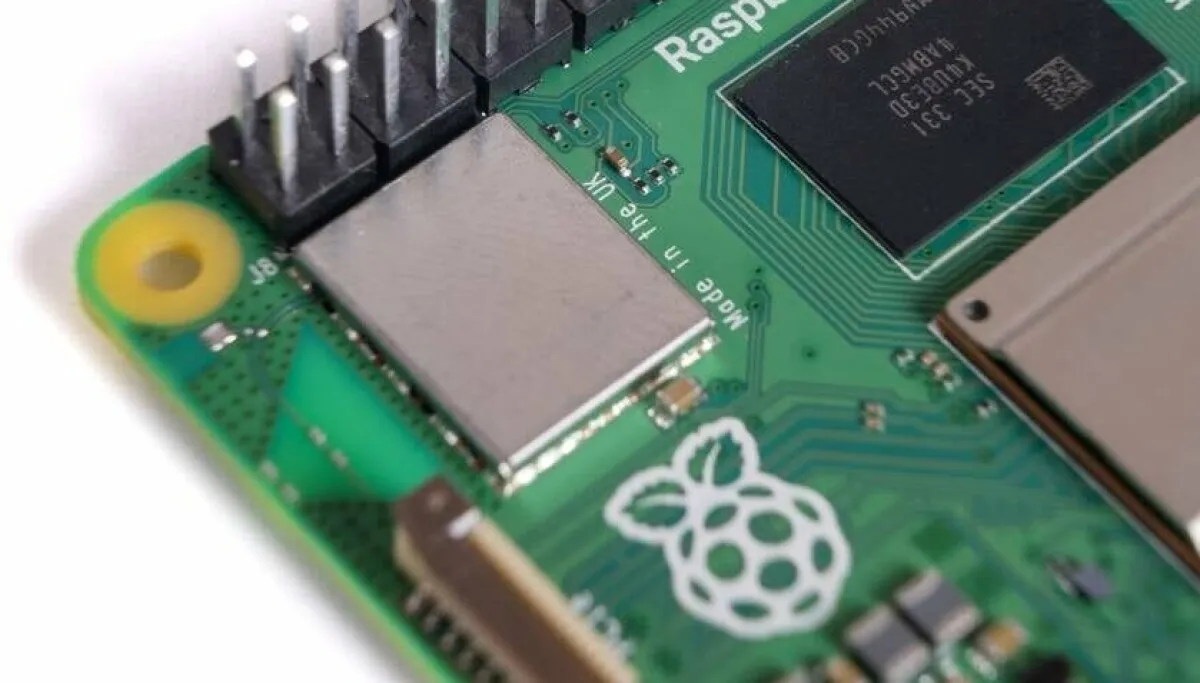 Photo: The Register
Key points
Raspberry Pi raised prices on its 2GB Pi 4 and Pi 5 boards by $12.50, to $67.50 and $77.50, effective 1 October 2026.
Raspberry Pi raised prices on its 2GB Raspberry Pi 4 and 2GB Raspberry Pi 5 single-board computers by $12.50 each from 1 October 2026, taking the Pi 4 to $67.50 and the Pi 5 to $77.50. The company said the increase reflects rapidly rising memory costs, which have pushed up production expenses across its product line.
The increase matters because the 2GB Pi 4 was long the affordable entry point for hobbyists and classrooms: it launched at $45 in 2019, was later cut to $35, and now costs $67.50, which is 50 percent more than its launch price. Unlike April 2026, when much of the Pi 4 and Pi 5 range rose, the 2GB models had escaped earlier increases.
What the increase covers
The price change applies to two models only. The 2GB Pi 4 moves from $55 to $67.50, and the 2GB Pi 5 from $65 to $77.50, according to the table published alongside the announcement. Prices for other products remain unchanged, including the 1GB Pi 4 and Pi 5 and the 2GB Compute Module 4 and Compute Module 5.
The 2GB Pi 4 has now climbed through several price points. It launched at $45 in 2019, was reduced to $35, rose back to $45 in 2021, then increased by $10 in February to $55, and now sits at $67.50. The 2GB Pi 5 launched at $50 and now costs $77.50.
Raspberry Pi attributed the rise to memory costs. In a blog post, the company wrote that memory has risen very steeply over the past two years and continues to increase, and that like other companies it has had to raise prices of many products to keep up with production costs. It said holding lower-density board prices had become unsustainable.
Why memory costs rose
The company's financial results show why margins mattered. Raspberry Pi reported a 90 percent rise in first-half revenue to $256.9 million, with gross profit up 79 percent to $59.4 million. Gross profit per board increased 53 percent to $12.20, helped by price rises and memory stock bought at lower prices in 2025, an inventory advantage the company says is largely exhausted.
The memory squeeze extends beyond Raspberry Pi. Pine64 stopped production of its Linux hardware range because of memory and storage costs. Micron chief executive Sanjay Mehrotra warned that RAM shortages would persist into 2028 and possibly beyond, adding that the company does not have line of sight to when supply and demand will return to balance.
Raspberry Pi boss Eben Upton said the price of memory will eventually subside and that the company looks forward to reversing its own price increases when it does. The company's advice to customers is to consider older models such as the Pi 3B, 3A+ or 3B+, check how much RAM their projects need, and buy from approved resellers.
What customers are told to do
Enthusiasts have explored upgrading soldered memory, but Raspberry Pi engineer Phil Elwell stated on the firm's support forums earlier this year that newer firmware locks devices to their original RAM capacity. The next pressure point is supply: Micron's warning that shortages run into 2028 suggests customers may wait some time for prices to fall back.
Frequently asked questions
How much did Raspberry Pi raise prices on 2GB models?
Raspberry Pi raised the 2GB Pi 4 from $55 to $67.50 and the 2GB Pi 5 from $65 to $77.50, an increase of $12.50 on each model, effective 1 October 2026.
Why did Raspberry Pi raise prices?
Raspberry Pi said memory has risen very steeply over the past two years and continues to increase, and that like other companies it has had to raise prices of many products to keep up with production costs.
Which Raspberry Pi models are unaffected?
Prices for other products remain unchanged, including the 1GB Pi 4 and Pi 5 and the 2GB Compute Module 4 and Compute Module 5.
How this story was checked
- Fact-checked against 3 cited pages. 133 figures, dates and quotations in this story were found on the pages it cites.
- Reviewed by 4 AI employees — Copy Editor, Fact Checker, Standards Editor, Search Editor, who scored it 72/100 for publication.
Pages checked (3 of 3)
- theregister.comread and checked
- omgubuntu.co.ukread and checked
- liliputing.comread and checked
Written by Kaer from public reporting. Checked 2 October 2026.